AI didn't kill SEO. It killed bad SEO. Here's the difference, and what to actually look for in an agency in 2026.

Here's a take that gets people defensive in two directions at once.
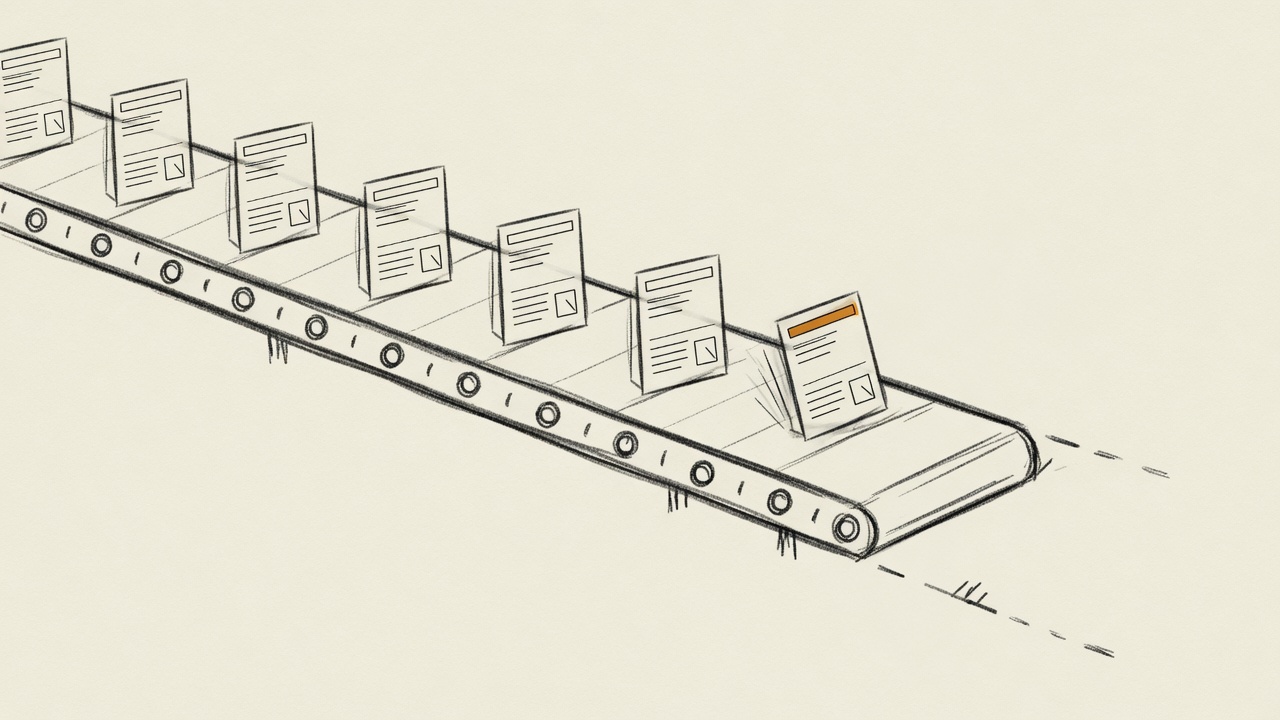
AI has eaten the bottom half of SEO. Generic blog posts written to a template. Mass content production. Basic keyword research. "Optimization" by checklist. The work that used to fill agency invoices for $2,000 a month is now done in 90 seconds by anyone with a ChatGPT account and an afternoon.
That part is real. What nobody talks about is what happened to the top half at the same time. Because while the floor was falling out, the ceiling went up.
For the last decade, a huge chunk of what agencies sold as "SEO" was basically content assembly. A keyword tool spits out terms. A writer (often offshore, often paid pennies per word) wraps 1,500 words around each one. A meta description gets generated. Schema gets bolted on. Repeat 50 times. Bill the client.
The whole thing worked because Google was rewarding volume and structure more than quality. You could rank by being slightly better than the other generic results, and most results were generic.
That window is gone. Helpful content updates over the last two years specifically targeted exactly this kind of content. AI Overviews now pull from a much smaller set of trusted sources, and they have no patience for fluff. The agencies that sold this model are getting hit on both sides at the same time. Their content is being devalued by Google, and their pricing is being undercut by AI tools that produce the same garbage faster and cheaper.
If your last SEO agency disappeared or pivoted to something else recently, this is probably why.
The top half of SEO is the part AI can't actually replace yet. Not because the models aren't good (they're getting scary good), but because the work requires judgment, taste, real expertise, and the ability to make decisions in context. Specifically:
Strategy. Knowing which keywords are actually worth fighting for given your business, your margin, and your competition. AI can pull a list of keywords. It cannot tell you which three to bet a quarter on.
Technical SEO. Diagnosing why a site isn't ranking when it should. Untangling schema implementations that have drifted. Fixing crawl issues, redirect chains, and cannibalization. This is detective work, and the model doesn't have access to your site.
Brand positioning. Figuring out what makes your business different and translating that into how the site presents itself. Generic AI content is the opposite of brand. A real positioning conversation requires understanding who you are, who you're for, and what you actually deliver.
Content people want to read. Not "content optimized for the keyword." Content that someone with a real problem will read and decide to call you. AI can draft. AI cannot tell whether the draft sounds like a person or like an SEO bot. That gap matters more in 2026 than it did in 2023.
Building real authority. Earned links. Real partnerships. Press mentions. Industry recognition. None of this comes from a content schedule. It comes from being someone worth linking to.
All five of these are more valuable than they were three years ago, not less. Because the bottom half is now free, the work that actually moves rankings has to come from the top half. And there are fewer people doing the top half well than there used to be.

You see this take everywhere right now. "SEO is dead." "AI will replace SEO agencies." "Google is dying."
It's wrong in the same way "the internet will kill retail" was wrong. The internet didn't kill retail. It killed bad retail. The stores that sold a commodity experience got destroyed. The stores that sold an actual reason to walk in (specialization, expertise, taste, service) got more valuable, not less.
Same pattern here. AI didn't kill SEO. It killed bad SEO. The agencies dying right now are the ones that sold templated content and called it strategy. The ones that are growing are the ones that already operated on the top half and now have AI as leverage instead of competition.
If you're trying to figure out which kind of agency you're talking to, here are the signals.
Bottom-half agencies sell volume. They'll talk about how many blog posts you'll get, how many backlinks, how many "deliverables" per month. They have a template, and you're going to get the template. Their case studies are vague. Their pricing is rigid because they're running a content factory.
Top-half agencies sell judgment. They'll talk about what's actually broken on your site, what your real opportunities are, and what they'd do differently from your last agency. Their case studies are specific. They'll tell you when not to hire them. Their pricing is custom because every business needs something different.
A simple test on a sales call: ask the agency what they'd specifically do for your business in the first 60 days. If the answer sounds like it could apply to any business of your size, you're talking to the bottom half. If they can't answer until they've looked at your site, you might be talking to the top half. If they answer with something specific to your business and explain why, that's the top half.
Worth saying directly because this is a post about AI in SEO.
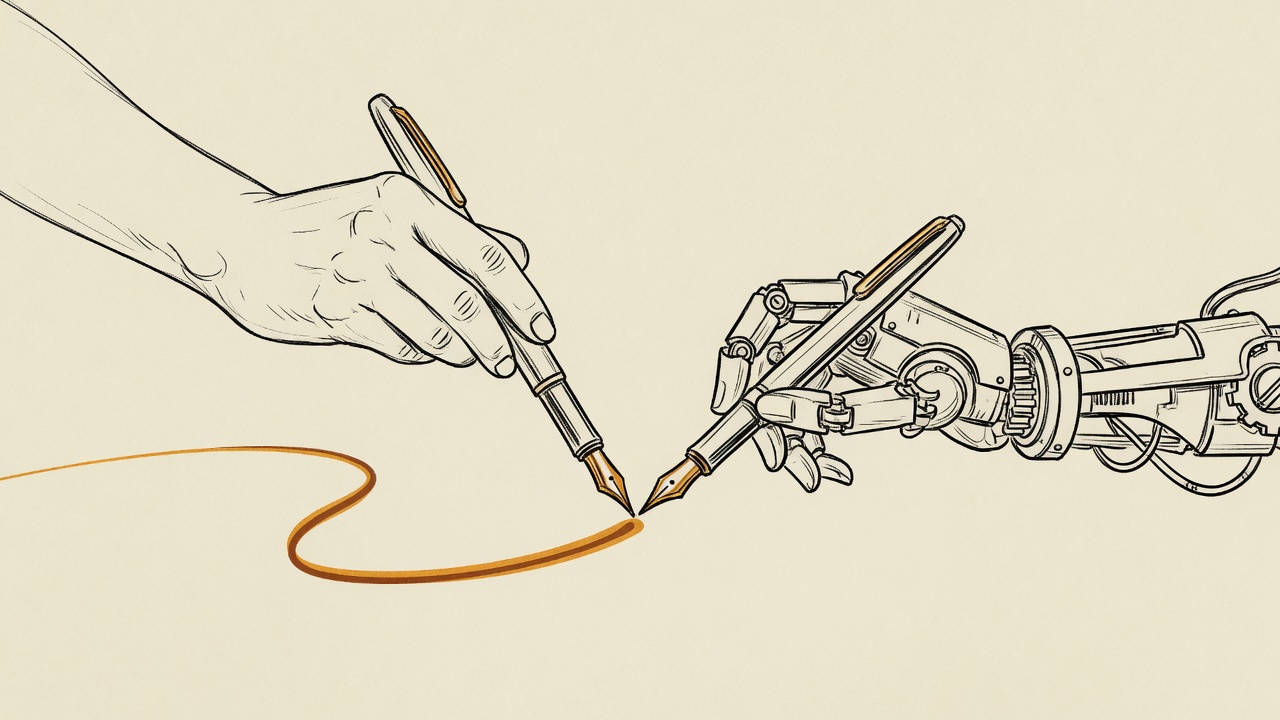
The short version: AI is a tool in our process, not the product. We use it for first drafts, research synthesis, technical analysis, and a lot of the operational lifting that used to be busywork. We do not use it to write the strategy, make the calls, or replace the judgment. The output that goes to clients gets human review every time, and the strategy that drives the work comes from us, not from the model.
That's the right way to use AI in 2026. Use it as leverage on the parts that scale poorly without it. Keep humans on the parts that matter.
If you're shopping for SEO right now, the temptation is to look for the cheapest option. Everyone's cheaper now because everyone has AI. But the gap between cheap SEO and good SEO is wider than it's ever been, because the cheap end is genuinely worthless and the good end is genuinely valuable.
Picking the wrong agency in 2026 doesn't just waste your money. It actively makes your site worse, because the wrong kind of content can get you demoted in helpful content updates. The downside risk is real.
Pick the agency that can explain what they'd do, why they'd do it, and what they won't do for you. If they can't answer the third question, walk.
If you want a straight conversation about your site with no upsell pitch, we offer audits. We'll tell you what's working, what isn't, and whether you actually need ongoing help. Some prospects don't, which we tell them on the first call.
Reach out through the form and I will get back to you personally.
Welcome to Equicity. We are a boutique, interpersonal marketing team for small businesses. Learn more
The SEO playbook shifted in the last 18 months. Here's what actually works in 2026, what to stop doing, and the quick wins you can knock out this week.
Read more
Get marketing tips, industry updates, and promos in your inbox.
We never spam or sell your information. Read our Privacy Policy here.

