The SEO playbook shifted in the last 18 months. Here's what actually works in 2026, what to stop doing, and the quick wins you can knock out this week.

Most "SEO best practices" articles are either two years out of date or written by someone who has never actually ranked a website. The ones that get republished every January with a new year slapped in the title are usually the worst of both.
We're a mid-sized SEO agency in Washington. We've been running campaigns through every algorithm update since 2012 and have watched what works (and what stopped working) in real time. Here's what's actually moving the needle in 2026, what's a waste of your time, and what changed in the last 18 months that most people haven't caught up to yet.
Three things have shifted enough to matter.
AI Overviews are now on most queries. Google's AI-generated answers sit above the traditional results for a huge percentage of searches. To get into them, your content needs to be structured, factually clean, and from a source Google trusts as an entity. A lot of old SEO tactics (heavy keyword optimization, keyword density targets, exact-match anchor text) don't help you here. Some of them actively hurt.
Entity SEO matters more than keyword SEO. Google understands businesses, people, and topics as entities, not just as strings of words. If you don't exist as a clean entity (consistent name, clear specialization, references in trusted places), you're missing visibility you'd have gotten three years ago for free.
The helpful content updates ate generic content. Sites that pumped out volume content in 2022 and 2023 got hammered. What replaces it is fewer, deeper, genuinely useful pieces. Search results now favor first-person expertise over content farms, and the gap is widening.
Everything below assumes you understand those three shifts.
Sounds obvious. Most sites still don't do it.
What this means in practice:
Google's helpful content systems are scoring this now. A page that gets the user back to their day quickly (because it answered the question) gets rewarded. A page that traps the user with fluff to inflate time-on-page gets demoted.
The wild thing is how much this has flipped the old "longer is better" SEO advice. A tight 1,200-word post that answers the question often outranks a bloated 3,500-word post that takes forever to get to the point.
If you're a small business, this is the lever most agencies skip.
The basics:
Entity SEO sounds technical. It's mostly being consistent and not weird. Search your own business name in Google. Whatever shows up in the Knowledge Panel on the right (or doesn't show up) is your current entity status. If it's empty or wrong, you have work to do.
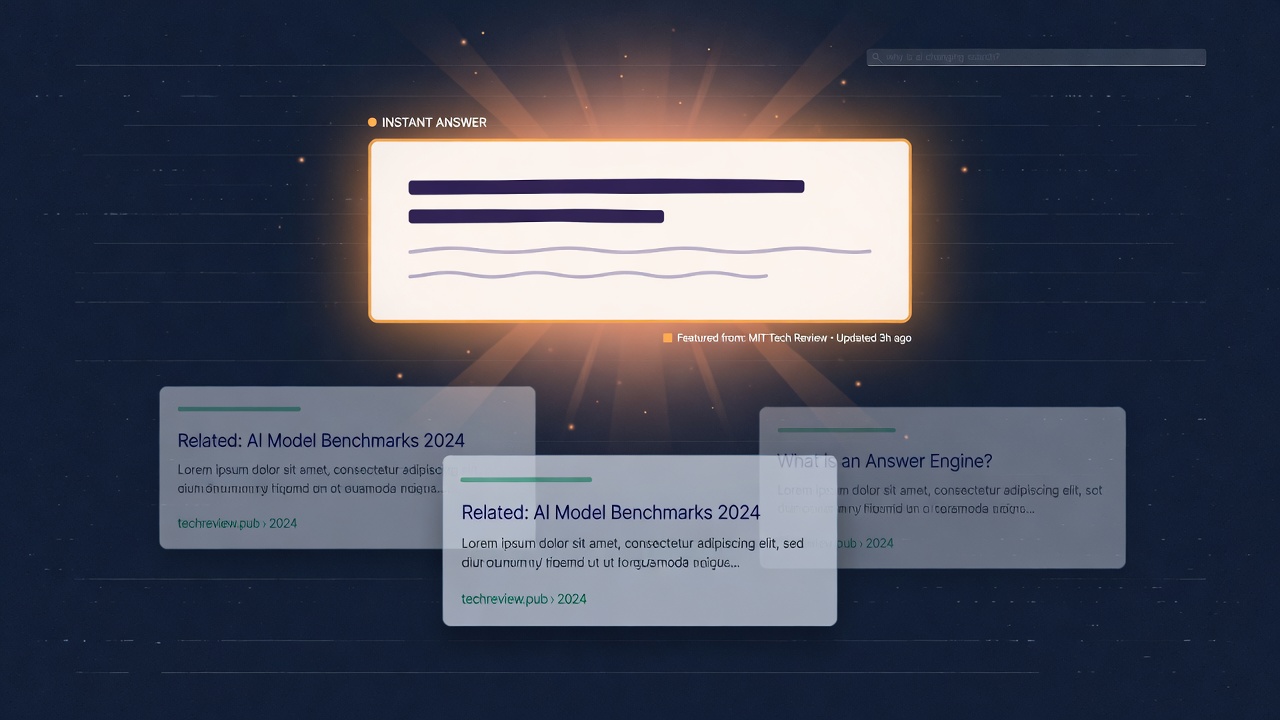
You don't optimize for AI Overviews the way you optimize for the blue links. The mechanics are slightly different.
What works:
What doesn't:
If your post can be summarized in one clean paragraph by Google's AI, you're in the running. If it can't, you're not.
Reviews used to be a local SEO thing. In 2026, they're a general trust signal that affects whether you appear in AI Overviews, get featured in product or service comparisons, and rank in general search results.
Three things to focus on:
For local businesses, reviews are now a top-three ranking factor in the Map Pack alongside category match and proximity. Our [Local SEO Guide for 2026] goes deeper on this.
Technical SEO got less interesting in 2026 because most modern platforms (Webflow, WordPress with a decent theme, Squarespace) handle the basics. But these still need to be right:
If you're on a modern CMS and you haven't messed with the basics, you're probably fine. If you're on a custom site built in 2018 by someone's cousin, this needs an audit before anything else moves.
Single pages don't rank for competitive terms anymore. You need a cluster of related content that shows Google you actually know the topic.
Example: if you want to rank for "local SEO for law firms," you need:
One 2,000-word post in 2026 ranks worse than five connected 1,200-word posts on the same topic with clean internal linking.
The list of things that don't work anymore is almost as useful as the list of things that do.

If you've been on autopilot, here's the short list:
None of this requires an agency. All of it moves the needle if your foundation is rough.
If you've done the above and your traffic still isn't moving after 90 days, the issue is usually deeper:
That's when an agency earns its keep. Not before. Most small businesses can get 60 to 70% of the way to good SEO without paying anyone. The last 30% is where outside expertise actually pays for itself.
If you want a straight audit with no upsell, we offer those. We'll tell you what's working, what isn't, and whether you actually need ongoing help. Some prospects don't, which we tell them on the first call.
Welcome to Equicity. We are a boutique, interpersonal marketing team for small businesses. Learn more
Get marketing tips, industry updates, and promos in your inbox.
We never spam or sell your information. Read our Privacy Policy here.

