Core updates, spam updates, and the death of the Helpful Content System. Here's what Google's algorithm updates actually mean for a small business in 2026.

Every few months, the same thing happens. Google announces an algorithm update, the SEO industry lights its hair on fire, and a handful of my clients email me some version of "should we be worried?"
The honest answer, almost every time: probably not, and here's how to know for sure.
This post originally went up in early 2023 covering the Helpful Content Update and a round of link spam updates. Both of those are now history, and the way Google ships changes has evolved enough that the old advice needed a full rewrite. So here's the current picture: what these updates actually are, what's changed in the last couple of years, and the only sane way for a small business to respond to them.
Just in 2026 so far, Google has shipped a February Discover update, a March core update, a March spam update, and a May core update that finished rolling out in the first week of June. That's four named updates in five months, on top of the thousands of small unannounced tweaks Google makes every year.
If that sounds exhausting, here's the reframe: the cadence is the point. Google updating constantly means no single update is a cliff. Sites that lose visibility in these updates almost always lost it for reasons that were visible months earlier. Sites doing the fundamentals well tend to drift upward over time, sometimes during updates, sometimes between them.
Google names a lot of things, but for a small business there are really three categories worth understanding.
Core updates are broad re-evaluations of content quality and relevance across the whole web. They're the big ones, arriving several times a year, and they typically take two to three weeks to roll out. Nothing "targets" you in a core update. Google is re-scoring everything, and your site lands wherever the new scoring puts it. If you dropped, it usually means competitors are now judged as more relevant or useful for those queries, not that you were penalized.
Spam updates are narrower and meaner. These go after manipulation: link schemes, mass auto-generated content, cloaking, expired domain abuse. If you've never bought links from a guy in a forum, you can read these announcements with a cup of coffee and zero anxiety. If your previous SEO company built rankings on cheap link networks, a spam update is where that bill comes due.
The quiet structural changes are the third category, and they're the ones most business owners miss. The biggest example: the Helpful Content System, which the original version of this post was all about, was retired as a standalone system in March 2024 and absorbed into Google's core ranking systems. The concept didn't die. "Was this made for people or for search engines" is now baked into every core update rather than being a separate switch. Same idea, no separate update to watch for.
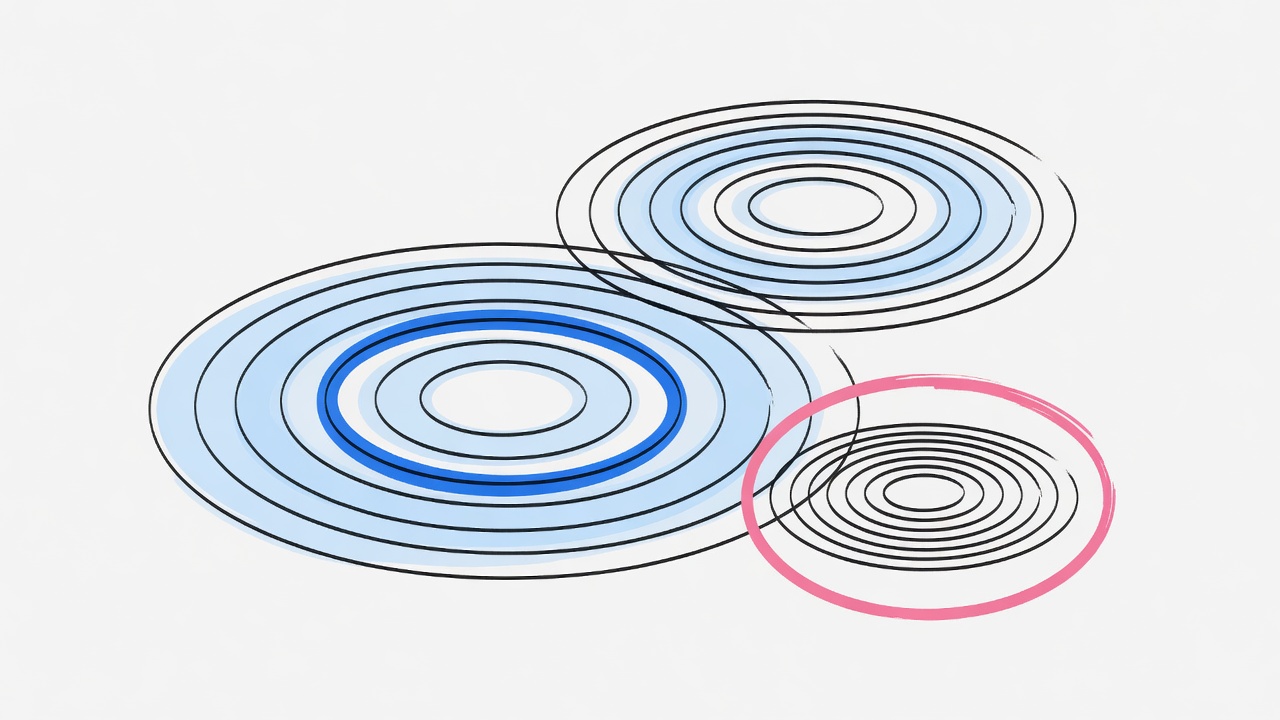
This is the part that saves people from panic decisions. When you hear an update is rolling out, do this and nothing else:
If the data says you genuinely got hit, the response is a content and quality audit, not a tactical scramble. In nearly every case I've reviewed, the affected site had problems that predated the update: thin pages, stale content, unedited AI output, or a link profile someone should be embarrassed about. I covered the most common offenders in our updated guide to common SEO mistakes, and frankly that list doubles as an update-recovery checklist.
Strip away the announcement language and the through line of the last two years of updates is consistent. Google keeps re-stating the same recommendation: reliable, useful content made for people, from sources that demonstrably know what they're talking about.
In practice, for a small business, that translates to a short list. Content with real experience in it: your examples, your numbers, your opinions, not summaries of summaries. A site that's technically healthy and fast. Clear signals about who you are and where you operate. And freshness that's genuine rather than cosmetic, meaning posts that get substantively updated, not just a year swapped in the title. We walk through the full current playbook in our SEO best practices guide.
Notice what's not on the list: anything about chasing the update itself. There is no "May 2026 core update optimization strategy," and anyone selling you one is selling you a mood.
Here's my actual position, the one I give clients when they ask if we should change course after an update: if your SEO strategy has to change every time Google ships an update, you never had a strategy. You had a trick, and tricks expire.
The businesses that sail through update after update are the ones treating SEO as ongoing maintenance rather than a one-time project. Content gets refreshed on a schedule. Technical issues get caught early. The link profile grows slowly and legitimately. Update weeks become something you observe with curiosity instead of dread. That's not a glamorous pitch, but it's the one that's been true through every named update since I started doing this work.
If a recent update did knock your traffic down and you want a real diagnosis instead of guesswork, that's a thing we do. Get in touch and I'll look at your Search Console data and tell you straight whether it was the update, your site, or just August.
Cheers,
-Evan
Welcome to Equicity. We are a boutique, interpersonal marketing team for small businesses. Learn more
Wondering why your SEO isn't working? These are the most common SEO mistakes I see in 2026, including the new AI-era ones, and how to fix each.
Read more
Get marketing tips, industry updates, and promos in your inbox.
We never spam or sell your information. Read our Privacy Policy here.

