Wondering why your SEO isn't working? These are the most common SEO mistakes I see in 2026, including the new AI-era ones, and how to fix each.

I've been doing SEO long enough to watch the same mistakes get made in 2019, 2022, and now 2026. The names change. The mistakes mostly don't. But this past year added a whole new category, because AI made it possible to make old mistakes faster and at scale.
If you've ever typed "why is my SEO not working" into Google at 11pm, this post is for you. These are the mistakes I actually see when I audit small business websites, roughly in order of how often I see them. None of them require a big budget to fix. Most of them just require someone to notice.
This is the big one in 2026, so let's start here.
AI writing tools are genuinely useful. I use them. But there's a difference between using AI as a drafting assistant and pasting raw output onto your blog twice a week and calling it a content strategy. Google has gotten very good at recognizing the second one, and more importantly, so have your readers. Generic AI content has a flavor. Bullet points everywhere, no opinions, no specifics, every paragraph hedged into oblivion.
The fix isn't "never use AI." The fix is editorial standards. Every post should contain something only your business could say: a real client example, a number from your own work, an opinion you'd defend in person. If you could swap your logo for a competitor's and the post still works, it's not doing anything for you.
Google stopped matching keywords letter-for-letter years ago. In 2026 it thinks in entities: people, businesses, services, places, and how they relate to each other. Yet most small business sites still optimize like it's 2015, stuffing exact-match phrases into headers and hoping.
Entity SEO sounds academic but the practical version is simple. Make it unmistakably clear who you are, what you do, and where you do it. That means consistent business name, address, and phone everywhere it appears. It means an About page that actually names your people and your location. It means schema markup (more on that in a second) that tells Google in machine-readable terms what your pages are about. When Google understands you as an entity, you start showing up for searches you never targeted directly.
Schema is structured data that labels your content for search engines: this is a service, this is a review, this is an FAQ, this business operates here. It's one of the cheapest credibility signals available, and with AI Overviews now sitting on top of so many results pages, machine readability matters more than it ever has. Pages that are easy for systems to parse are the pages that get cited.
If you're on WordPress, a plugin like Rank Math will handle most of this. The mistake isn't doing schema badly. The mistake is having none at all, which is what I find on the majority of small business sites I audit.
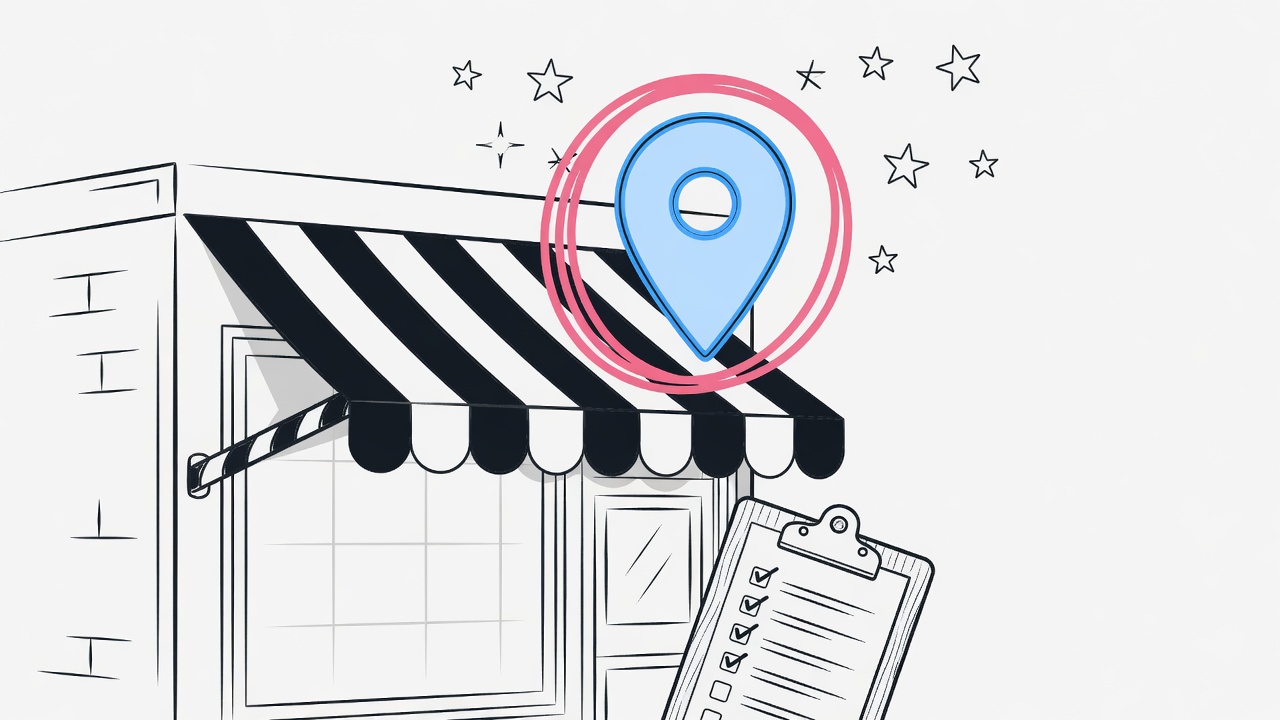
For local businesses, your GBP is often more valuable than your website, and most owners treat it like a phone book entry they filled out once in 2021.
The usual problems, in the order I find them:
I'm putting together a full Google Business Profile playbook that covers this properly. In the meantime, just opening your profile and fixing the categories puts you ahead of half your local competition.
Every few months a business owner shows me a keyword with 50,000 monthly searches and asks why we're not targeting it. The honest answer: because the people searching it will never buy anything from you.
"What is SEO" gets enormous volume. "SEO agency Everett WA" gets a tiny fraction of that, and the person typing it has a credit card out. Small businesses win by owning the small, specific, high-intent searches in their market, not by competing with Wikipedia for definitions. If your traffic went up last quarter and your leads didn't, this is usually why. Measure contact form submissions from organic search, not pageviews. Pageviews don't pay invoices.
Here's a quiet truth about content: a refreshed post usually moves faster in rankings than a brand new one, because it already has age, links, and history behind it. Yet most sites publish something, forget it exists, and let a "2023" in the title quietly tell every visitor the business stopped paying attention three years ago.
We just went through this on our own site, updating our posts on SEO best practices and what ongoing SEO maintenance actually involves. The post you're reading right now is itself a refresh of an older one. Practice what you preach.
A simple habit: once a quarter, pull your top ten organic pages and ask whether each one would embarrass you in front of a prospect. Update the ones that would.
Internal linking is the most underrated job in SEO because it's free, fully within your control, and nobody does it. Every page on your site is either passing authority to your important pages or hoarding it. When you publish something new and never link to it from anywhere, you've created an orphan that Google may barely crawl and visitors will never find.
The structure that works: a small number of substantial pillar pages on your core topics, supporting posts that link up to them, and pillars that link back down. I'm publishing a complete local SEO guide later this month that will anchor ours. (INTERNAL LINK: Local SEO Guide, add when live Wk 3.)
This is the mistake underneath most of the others. A business pays for a "site optimization" once, sees nothing happen in six weeks, and concludes SEO doesn't work. SEO is not an event. Rankings respond to sustained signals over months: fresh content, accumulating links, a maintained profile, a site that keeps getting technically better.
The honest timeline I give every client: around three months to see movement on long-tail terms, six months to get priority keywords onto page one or two, and about a year before organic search reliably hands you leads every month. Anyone promising faster is either lying or about to do something that gets you penalized. I wrote more about what month-to-month SEO work actually includes here.
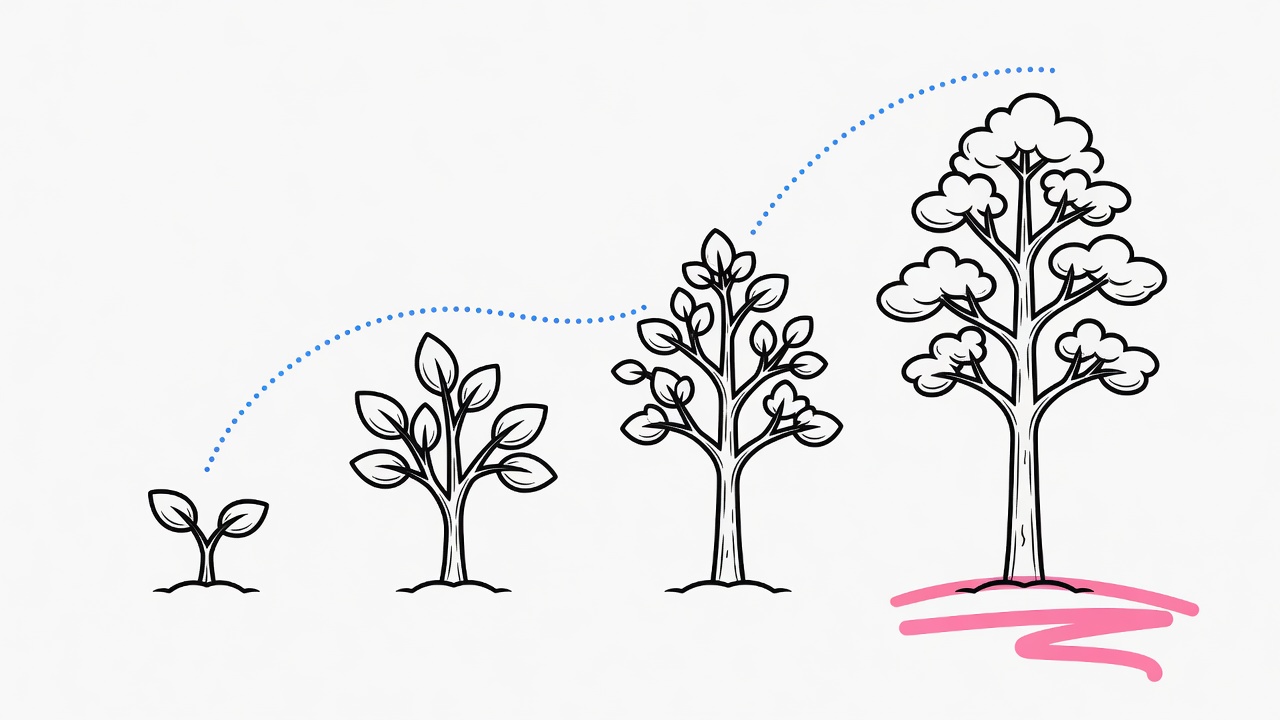
Look back at the list and you'll notice none of these mistakes are technical wizardry failures. They're attention failures. Somebody set something up, stopped looking at it, and assumed it was fine. The businesses that win at search in 2026 aren't the ones with secret tactics. They're the ones where somebody is actually paying attention every month.
If you suspect your site has a few of these problems and want a second set of eyes, that's literally what we do. Reach out for an audit and I'll tell you honestly what's worth fixing and what isn't. No 40-page PDF of red warning icons, just a straight answer.
Cheers,
-Evan
Welcome to Equicity. We are a boutique, interpersonal marketing team for small businesses. Learn more
Learn the essential steps to optimize your Google Ads for maximum effectiveness and measurable results.
Read more
The SEO playbook shifted in the last 18 months. Here's what actually works in 2026, what to stop doing, and the quick wins you can knock out this week.
Read more
Get marketing tips, industry updates, and promos in your inbox.
We never spam or sell your information. Read our Privacy Policy here.

